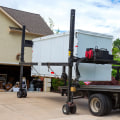
Long-distance moves require far more preparation than local relocations. With extended travel times, complex scheduling, and higher transportation costs, careful planning becomes essential. One of the most effective strategies for reducing stress during a cross-state or cross-country move is incorporating a self storage facility into the relocation plan. Rather than attempting to coordinate a single-day load-and-unload process, storage allows for flexibility when timelines shift or housing arrangements are not immediately finalized.
Before moving day, create a detailed inventory of belongings and categorize items into essentials, long-term storage, and non-necessities. This helps determine what should travel directly to the new residence and what can be stored temporarily. Downsizing ahead of time also reduces transportation costs and simplifies unpacking.
Using Storage to Bridge Timeline Gaps
One of the most common challenges in long-distance moving is misaligned timelines. Closing dates may change, rental agreements may overlap, or renovation projects may extend beyond expectations. In these situations, unloading everything into an unfinished or overcrowded space can create unnecessary frustration. Utilizing a facility such as Airway Heights Mini-Storage storage facility in Airway Heights, WA provides a secure solution when immediate delivery is not practical.
By staging belongings in storage, families gain time to settle into their new environment before bringing in larger furniture or excess items. This approach allows for gradual organization and thoughtful placement rather than rushed decisions. It also prevents damage that can occur when too many belongings are squeezed into limited living space.
Packing Strategically for Storage and Transport
When incorporating storage into a long-distance move, packing strategy becomes especially important. Clearly label boxes according to room and priority level. Items intended for short-term storage should be grouped together to streamline unloading. Heavier furniture and bulkier items can be positioned toward the back of the storage unit, while frequently needed belongings remain accessible near the front.
Protective materials such as furniture pads, plastic wrap, and sturdy boxes help preserve items during both transit and storage. Climate considerations should also be addressed, especially for sensitive belongings such as electronics, artwork, or important documents. Taking time to prepare properly reduces the likelihood of damage during extended relocation timelines.
Managing Costs and Maintaining Flexibility
Long-distance moving can be costly, particularly when hiring professional movers or renting large trucks. Incorporating storage offers flexibility that can help manage expenses. For example, instead of rushing to transport everything at once, families may choose to move in phases—transporting essential items first and retrieving stored belongings later. This staggered approach can spread out costs and reduce immediate financial strain.
Additionally, storage provides peace of mind when plans change unexpectedly. Whether due to job delays, travel adjustments, or housing complications, having a secure place for belongings eliminates the pressure to find last-minute solutions.
Creating a More Organized Transition
Ultimately, successful long-distance moves depend on preparation, flexibility, and organization. By integrating a self storage facility into the process, individuals and families can reduce stress, protect their belongings, and adapt more easily to shifting timelines. Storage acts as a buffer that transforms a complex relocation into a structured, manageable transition, supporting both logistical efficiency and peace of mind during a major life change.