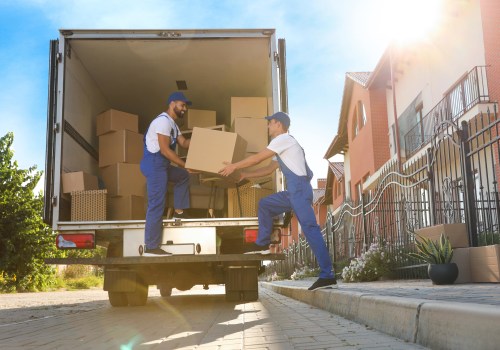
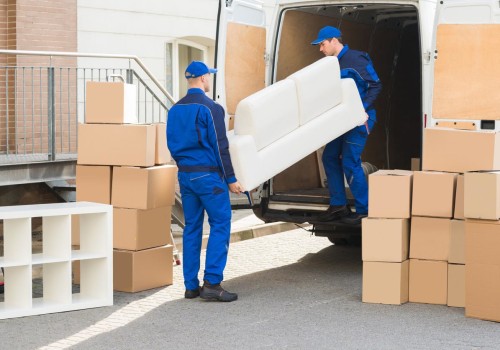
Long-distance moving can be both exciting and overwhelming, especially when preparing to leave behind a familiar home and transition into a completely new environment. Unlike local moves, relocating across states or regions often requires more detailed planning, stronger organization, and careful decision-making to avoid unnecessary stress during the process. One of the most important aspects of a successful long-distance move involves properly sorting belongings, packing efficiently, and learning how to let go of items that no longer serve a purpose. By approaching the process strategically, individuals and families can reduce clutter, simplify transportation, and create a smoother transition into their new home.
Many people underestimate how much they accumulate over time until they begin preparing for a move. Closets, garages, storage rooms, and spare bedrooms often contain years of unused belongings that can increase moving costs and create unnecessary complications. Long-distance moves present an ideal opportunity to evaluate possessions more intentionally and determine which items truly deserve a place in the next chapter of life.
The Importance of Sorting Before Packing
Sorting belongings before packing is one of the most effective ways to reduce moving stress and improve organization. Rather than immediately boxing everything room by room, it is often more helpful to begin by categorizing items into groups such as keep, donate, recycle, sell, or discard. This process allows movers to make thoughtful decisions while preventing unnecessary items from taking up valuable space during transportation.
Sorting early also helps identify belongings that may require special packing materials or handling. Fragile items, sentimental keepsakes, electronics, important documents, and valuable furniture should be separated and prioritized before general packing begins. Creating clear categories and labeling systems can save significant time during both the move and the unpacking process later.
Many homeowners discover that decluttering before a move creates a sense of relief and mental clarity. Letting go of unused or outdated possessions can make the relocation process feel more manageable while helping individuals focus on what they truly value. This step often transforms packing from a chaotic task into a more organized and intentional experience.
Packing Strategies for Long-Distance Moves
Efficient packing becomes especially important during long-distance relocations because belongings may spend extended periods in trucks, storage facilities, or transit. Proper packing helps protect items from damage while maximizing available space and improving overall organization. Using durable boxes, protective wrapping materials, and secure labeling systems can make a major difference throughout the moving process.
Heavy items should generally be packed in smaller boxes to prevent lifting difficulties, while lighter or bulkier items can be placed in larger containers. Labeling each box clearly by room and contents allows movers to unpack more efficiently once they arrive at the new location. Color-coded systems or inventory lists can further improve organization and help track important belongings during transport.
It is also helpful to pack an essentials box containing items needed immediately after arrival, such as toiletries, medications, chargers, basic kitchen supplies, important documents, and a few changes of clothing. Having quick access to these necessities can reduce stress during the first few days of settling into a new home.
For larger cleanout projects or disposal needs, companies such as Trinity Hauling can assist homeowners by helping remove unwanted furniture, debris, or excess clutter before moving day. These services can simplify the downsizing process and create more manageable packing conditions.
Learning the Emotional Side of Letting Go
One of the most difficult aspects of long-distance moving is often the emotional process of letting go. Many belongings carry sentimental value or memories connected to different stages of life, making it challenging to decide what to keep and what to release. However, moving provides an opportunity to evaluate whether certain possessions continue to contribute positively to daily life or simply occupy physical and emotional space.
Letting go does not necessarily mean forgetting meaningful experiences. Instead, it allows individuals to prioritize the items that truly support their future lifestyle and living environment. Donating gently used items can also create a sense of purpose, knowing those belongings may benefit someone else rather than remaining unused in storage.
This emotional transition is especially important for families or individuals relocating to smaller homes, different climates, or entirely new lifestyles. Simplifying possessions can help create a more adaptable and organized start in the new location.
Creating a Smoother Transition Into a New Home
Long-distance moving requires patience, preparation, and thoughtful planning. By focusing on sorting belongings early, packing strategically, and embracing the process of letting go, movers can reduce stress while creating a more organized transition into their new environment.
The moving process is not simply about transporting possessions from one location to another. It is also an opportunity to reset routines, simplify daily living, and begin a new chapter with greater clarity and intention. Through careful preparation and practical organization, long-distance moves can become more manageable, efficient, and ultimately more rewarding.